How to use a Generator
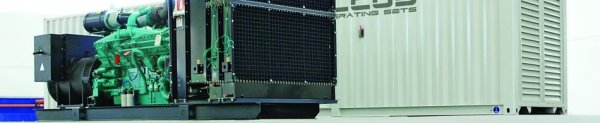 Generator Uses During a Power Outage
Don’t overload your generator power for working
* You will need to operate those things you need to connect to the generator.
o Light bulb wattage indicates the power needed for lighting.
o Calculate and equipment labels indicate their power requirements.
* If you can’t determine the amount of power you will need a electrician.
* Make sure your generator produces more power than will be drawn by the things you connect to the generator, including the initial surge when it is turned on
* If your equipment draws more power than the generator can produce, you can blow a fuse on the generator or damage the connected equipment.
- Use your generator safely
* Incorrect generator use can lead to carbon monoxide (CO) poisoning from the toxic engine exhaust, electric shock or electrocution and fire. Follow the directions supplied with the generator.
- Never use a portable generator indoors
* Never use a portable generator in a garage, carport, basement, crawl space or other enclosed or partially-enclosed area, even with ventilation. Opening doors and windows or using fans will not prevent CO buildup in the home.
* If you start to feel sick, dizzy, or weak while using a generator, get to fresh air right away — do not delay!
* Install home CO alarms that are battery-operated or have battery back-up. Test batteries frequently and replace when needed.
- Using your generator outdoors
* Place the generator away from windows, doors, and vents that could allow CO to come indoors.
* Generators should be at least 15 feet away from buildings. Even 15 feet away, air flow patterns could still blow carbon monoxide into homes through attic vents, windows, or doors, so it's very important to have a working carbon monoxide detector inside the home.
* To avoid electrocution, keep the generator dry. Do not use in rain or wet conditions. Operate it on a dry surface under an open canopy-like structure. Make sure your hands are dry before touching the generator.
- Use and store generator fuel safely
* Turn the generator off and let it cool before refueling. Gasoline spilled on hot engine parts could ignite.
* Store generator fuel in an approved safety can outside of living areas in a locked shed or other protected area. Local laws may restrict use or storage of fuel. Ask your local fire department for information.
* If you spill fuel or do not seal its container properly, invisible vapors can travel along the ground and be ignited by an appliance’s pilot light or arcs from electric switches in the appliance.
* Use the type of fuel recommended in the generator instructions or on its label.
- Connect your generator correctly
* Plug appliances directly into the generator, or use a heavy duty, outdoor-rated extension cord that is rated (in watts or amps) at least equal to the sum of the connected appliance loads.
* Never try to power house wiring by plugging the generator into a wall outlet, a practice known as “back feeding.” It can lead to the electrocution of utility workers or neighbors served by the same utility transformer.
* The only safe way to connect a generator to house wiring is to have a qualified electrician install a power transfer switch.
- The safest way to get emergency power
* Permanently installed stationary generators are the best way to provide home backup power during a power outage.
